Gum Disease Treatment: Why Your Mittagong Dentist Recommends Regular Checks
Noticing blood when brushing your teeth or feeling tenderness around your gums can be concerning. These changes are sometimes temporary, but they may also indicate inflammation or an underlying gum condition that requires attention.
If you've noticed changes in your gum health, speaking with a dentist in Mittagong can help you understand what might be happening and whether further assessment is needed.
Gum disease doesn't always cause noticeable discomfort in its early stages. Understanding the symptoms, available treatment options and value of regular dental checks can help you make informed decisions about your oral health.
What Is Gum Disease and How Does It Develop?
Gum disease refers to inflammation and infection affecting the tissues surrounding your teeth. It commonly begins when plaque accumulates along the gumline, allowing bacteria to irritate the gums. The earliest stage, gingivitis, may cause redness, swelling or bleeding. If inflammation progresses, periodontitis can develop, affecting the tissues and bone supporting your teeth. Not everyone experiences noticeable symptoms, which is one reason dental examinations can be useful.
Changes associated with gum disease may involve:
- Red or swollen gums that feel tender during brushing or flossing.
- Bleeding around the gumline when cleaning your teeth.
- Changes in gum position or the appearance of spaces between teeth.
These symptoms can have different causes, so a dental assessment is needed to determine what's happening.
Why Do My Gums Bleed When I Brush?
Bleeding gums are often associated with inflammation caused by plaque accumulation, although brushing too firmly, certain medications and other health conditions can also contribute. Occasional bleeding doesn't automatically mean you have gum disease, but recurring bleeding shouldn't be ignored. Some people stop brushing affected areas because they're worried about causing further irritation, which may allow additional plaque to accumulate.
If your gums bleed regularly, you can:
- Use a soft-bristled toothbrush and clean gently along the gumline.
- Continue cleaning between your teeth using a suitable method.
- Arrange a dental appointment if bleeding persists or occurs alongside swelling or discomfort.
Identifying the cause is important because different conditions may require different approaches to care.
Why Regular Dental Checks Matter for Gum Health
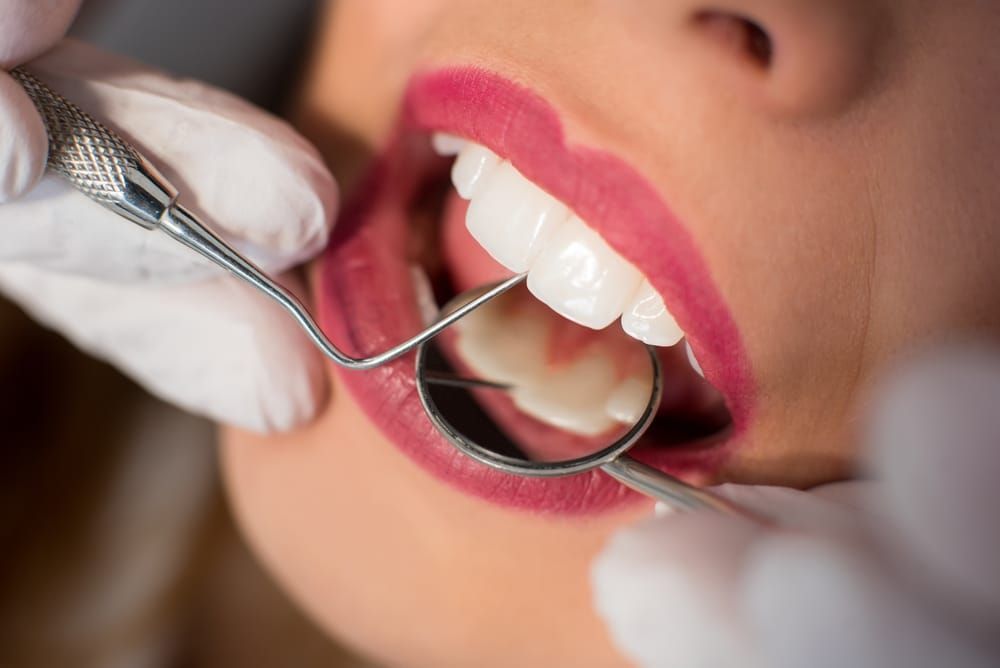
Gum disease can develop gradually without obvious pain or visible changes. During a dental examination, a clinician may assess the gums using a periodontal probe to measure pocket depths around individual teeth. These measurements help identify changes in the space between the teeth and surrounding gum tissue. At Mittagong Dental Care, gum pocket measurements can form part of an assessment, depending on individual clinical needs. For patients seeking general dentistry in Mittagong, these checks provide information that may not be apparent through home observations alone.
A gum health assessment may involve:
- Measuring periodontal pocket depths at several points around each tooth.
- Checking for bleeding, inflammation and changes in gum attachment.
- Reviewing plaque accumulation and other factors affecting oral health.
Recording these findings over time can help clinicians assess changes and discuss whether further care is appropriate.
What Treatment Is Available for Gum Disease?
Treatment depends on whether inflammation is limited to the gums or has affected deeper supporting tissues. Early gingivitis may improve with plaque removal and appropriate daily oral hygiene. More advanced periodontal disease can require treatment below the gumline, sometimes involving scaling and root surface debridement. Gum disease treatment in Mittagong should be based on an individual assessment, as the extent of inflammation and tissue damage varies between patients.
Depending on clinical findings, treatment may involve:
- Removing plaque and hardened deposits from accessible tooth surfaces.
- Cleaning beneath the gumline where periodontal pockets require treatment.
- Reviewing gum measurements and discussing ongoing care requirements.
Some cases may require referral for additional periodontal assessment or treatment, particularly where deeper tissues are affected.
How Much Does Gum Disease Treatment Cost?
The cost of treatment varies depending on the condition of your gums and the care required. Someone with mild inflammation may need different treatment from a patient with deeper periodontal pockets or more extensive tissue involvement. The number of appointments, areas requiring attention and any additional investigations can also influence the overall cost. An assessment is generally needed before a suitable treatment plan and estimate can be discussed.
Treatment costs may be influenced by:
- The extent and severity of the gum condition identified during examination.
- The type of cleaning or periodontal treatment recommended.
- Whether follow-up appointments, investigations or referrals are required.
Requesting a written treatment estimate can help you understand the proposed care and associated expenses before proceeding.
Can Mouthwash Help with Bleeding or Inflamed Gums?
Mouthwash may have a role in oral hygiene, but it doesn't replace brushing, cleaning between teeth or dental treatment when required. Some products contain ingredients designed to reduce plaque or manage particular oral conditions. However, suitability varies, and certain medicated mouthwashes are intended only for limited periods. Understanding how mouthwash supports gum health can help patients recognise its place within a broader oral hygiene routine.
Before adding mouthwash to your routine, it's worth:
- Checking whether the product is appropriate for your oral health needs.
- Following the manufacturer's directions and any advice from your dental clinician.
- Continuing regular brushing and cleaning between teeth rather than relying on rinsing alone.
If gum bleeding persists, an examination is more useful than repeatedly changing oral hygiene products without identifying the cause.
How Often Should You Have Your Gums Checked?
There isn't one examination schedule that suits every patient. The appropriate interval depends on factors such as previous gum disease, current oral hygiene, medical history and findings from earlier dental appointments. Some people may benefit from more frequent monitoring, while others may require checks at longer intervals. Regular reviews also provide an opportunity to discuss changes that may have developed since your previous appointment.
Your clinician may recommend an appointment schedule based on:
- Previous periodontal measurements and any history of gum inflammation.
- Current plaque levels, oral hygiene habits and relevant health factors.
- Changes in gum condition or symptoms reported between appointments.
Discussing your individual circumstances can help establish a review schedule suited to your oral health needs.
Discuss Your Gum Health with Our Team
At Mittagong Dental Care, we understand that bleeding, tenderness and other gum changes can raise questions about your oral health. We're available to discuss your concerns and arrange an assessment based on your symptoms.
If you're looking for a dentist in Mittagong, our team can provide information about dental examinations, gum health assessments and available treatment options. Any recommendations will depend on your individual clinical findings.
Contact us today to
book a consultation and discuss your gum health concerns.
Frequently Asked Questions