How To Fix Discoloured Teeth: Solutions From A Mittagong Cosmetic Dentist
You catch your reflection in a shop window, smile out of habit, then pause. The shade of your teeth doesn't quite match how you feel on the inside. Maybe it's crept up slowly over the years, or maybe it showed up faster than expected after one too many coffees. Either way, discoloured teeth are one of the most common reasons people start looking into their options with a
cosmetic dentist in Mittagong. The good news is that staining isn't something you simply have to live with – there are several proven paths back to a brighter smile, and understanding what's causing the discolouration is the first step to choosing the right one.
Why Do Teeth Lose Their Brightness Over Time?
Teeth rarely change colour overnight. It's usually a gradual build-up of small, everyday habits combined with the natural process of ageing.
Enamel wears thin with age, allowing the yellower dentine underneath to show through more. Diet plays a role too, along with lifestyle factors that many people don't connect to their smile until the change becomes obvious. Common contributors include:
- Coffee, tea and red wine
- Smoking or tobacco use
- Certain medications taken during childhood
- Natural enamel thinning with age
Recognising the cause behind your own discolouration makes it far easier to work out which treatment is likely to suit your situation.
Surface Stains Versus Deeper Discolouration
Not all staining sits in the same layer of the tooth, which is why one blanket solution rarely works for everyone.
Extrinsic stains sit on the outer enamel and come from food, drink or habits like smoking. Intrinsic discolouration sits deeper within the tooth structure itself, often from internal factors rather than anything applied from outside. The main categories include:
- Extrinsic staining: coffee, wine or tobacco use
- Intrinsic staining: trauma, medication or genetics
- Age-related staining: a mix of both over time
- Fluorosis: white or brown mottling from childhood
Working out which category your teeth fall into helps a cosmetic dentist in Mittagong narrow down the most suitable treatment.
How Long Does Professional Teeth Whitening Last?
This is one of the questions people ask most often, and the honest answer is that it depends on habits as much as the treatment itself.
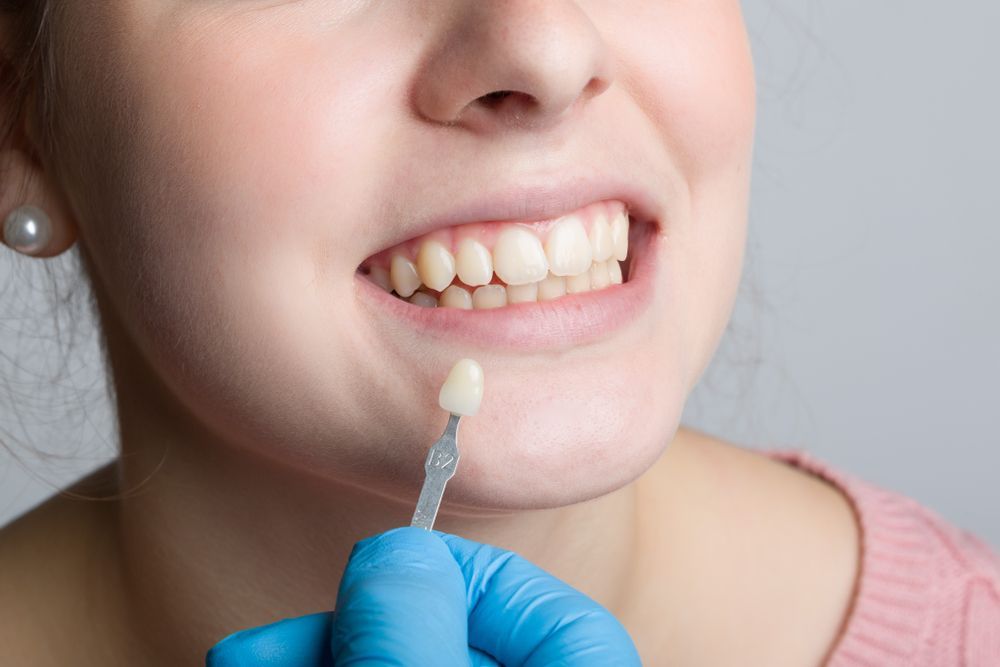
Professional teeth whitening results can last anywhere from several months to a couple of years, depending on diet, oral hygiene and whether staining habits like smoking or drinking dark beverages continue afterwards. A few factors affect how long results last:
- In-chair whitening: noticeable results after a single visit
- Take-home kits: gradual brightening over one to two weeks
- Touch-up treatments: ongoing maintenance of results
- Diet and habits: the biggest influence on longevity
Regular check-ups and the odd touch-up session are usually the simplest way to keep results looking fresh.
Weighing Up At-Home Kits Against Professional Teeth Whitening
Supermarket whitening strips and kits are everywhere, and it's easy to wonder whether they'll do the job just as well.
Over-the-counter products can lighten surface stains slightly, but they aren't tailored to individual teeth and typically use much lower concentrations than professional teeth whitening carried out through a dentist. The main differences include:
- Custom-fitted trays rather than generic, one-size options
- Stronger, professionally monitored formulations
- Lower risk of uneven results or sensitivity
- A clearer picture of what's realistic for your teeth
For anyone who has tried shop-bought products without the change they were hoping for, a conversation with a dentist can help clarify what's actually achievable.
When Enamel Microabrasion Might Be Worth Considering
Sometimes discolouration is limited to a thin, uneven layer on the surface rather than the whole tooth.
Enamel microabrasion involves gently removing a very fine layer of enamel to reduce the appearance of white spots, mild fluorosis marks or shallow staining. It's a conservative option, often used alongside whitening rather than instead of it. A few points are worth keeping in mind:
- Suited to mild, surface-level marks
- Paired well with whitening for a fuller result
- Minimally invasive compared to veneers or bonding
- Unsuitable for deeper, intrinsic discolouration
A dental check-up is really the only way to know whether this approach fits your particular type of staining.
Dental Bonding for Quick, Targeted Fixes
Not every case of discolouration needs a full smile overhaul. Sometimes it's one tooth, or a single mark, that's bothering someone.
Bonding uses a tooth-coloured resin, shaped and hardened directly onto the tooth, usually completed in a single appointment. It's a more affordable, less invasive option compared with veneers, though it isn't quite as long-lasting. Here's how bonding compares to other options:
- A good fit for small chips, gaps or isolated staining
- A single-visit treatment in most cases
- A more affordable option than veneers
- A shorter lifespan than veneers or professional whitening
For a localised concern rather than overall discolouration, bonding is often the simpler route.
Could Veneers Be the Answer for Stubborn Stains?
When whitening alone hasn't given the result someone is after, veneers often come up as the next option to explore.
These thin shells are fitted over the front of the tooth, covering discolouration that sits too deep for whitening to reach. They're custom-shaped, so alongside colour they can also address chips, gaps or minor alignment concerns at the same time. Veneers offer a few advantages:
- Coverage for intrinsic staining that whitening can't reach
- A custom match to the surrounding teeth
- Improvements to shape and alignment as well as colour
- A longer-term commitment than whitening or bonding
For people with several concerns bundled into one smile, veneers can offer a single solution rather than several separate treatments.
Timing Treatment Around an Upcoming Event
A wedding, a work presentation or a milestone birthday on the calendar often brings tooth colour into sharper focus.
Time pressure can make the decision between treatments feel more urgent, but it also helps to know that some options work faster than others. Options that tend to suit a shorter timeframe include:
- In-chair whitening for quicker results
- Take-home kits for a gradual change
- Bonding for isolated chips or spots
- Veneers when several concerns need addressing at once
Whatever the deadline, there's usually a treatment that can realistically fit the timeframe.
Talk to Mittagong Dental Care About Your Smile
If discoloured teeth have been on your mind, you don't have to work out the right fix on your own. At Mittagong Dental Care, we sit down with you to talk through what's causing the staining and which options fit your goals, whether that's whitening, bonding, veneers or enamel microabrasion. We welcome patients from across the Southern Highlands looking for guidance from a cosmetic dentist in Mittagong. Get in touch today to book a consultation and take the first step toward a smile you feel good about.