How Long Do Dental Implants Last (and What Affects It)?
For many people considering tooth replacement options, one of the biggest questions is: "How long do dental implants last?" Dental implants are widely regarded as one of the most durable and reliable solutions for replacing missing teeth, but their longevity depends on several factors.
If you're researching dental implants in Mittagong, understanding the expected lifespan of implants can help you make an informed decision about your oral health and long-term investment. While dental implants have the potential to last for many years — and in some cases decades — it is important to understand that different components of the restoration may have different lifespans.
This guide explains how long dental implants typically last, what factors influence their longevity, and what you can do to help maintain them.
What Is a Dental Implant?
A dental implant is a tooth replacement system designed to replace both the root and visible portion of a missing tooth. It generally consists of:
- A titanium implant placed into the jawbone
- An abutment that connects the implant to the restoration
- A dental crown that replicates the appearance and function of a natural tooth
The implant integrates with the jawbone through a process called osseointegration, creating a stable foundation for the replacement tooth.
How Long Do Dental Implants Typically Last?
Dental implants are considered one of the longest-lasting tooth replacement options available.
The Implant Fixture
The titanium implant itself is designed to be a long-term solution. With proper care and favourable oral health conditions, many implants can function successfully for decades. Research has shown high long-term success rates for dental implants, with many remaining functional well beyond 10 to 20 years. In some cases, implants may last a lifetime, although this cannot be guaranteed for every patient.
The Crown
While the implant itself may last for many years, the crown attached to the implant is subject to normal wear and tear. Factors such as bite forces, grinding habits, daily use and material selection can influence how long the crown lasts. Many implant crowns may function effectively for 10–15 years or longer before requiring maintenance, repair or replacement.
Can Dental Implants Really Last a Lifetime?
You may have heard claims that dental implants last forever. While implants are designed to be a permanent tooth replacement solution, no dental treatment can be guaranteed to last a lifetime. The reality is that longevity depends on:
- Oral hygiene
- Gum health
- Bone support
- Medical history
- Lifestyle factors
- Regular dental care
Many patients enjoy long-term success with implants, but ongoing maintenance remains essential.
What Factors Affect the Lifespan of Dental Implants?
Several factors can influence how long dental implants remain healthy and functional.
Oral Hygiene
Good oral hygiene is one of the most important factors in implant longevity. Plaque and bacteria can accumulate around implants just as they do around natural teeth. Without proper cleaning, this may contribute to inflammation of the surrounding gum tissues. Daily care should typically include:
- Brushing twice daily
- Cleaning between teeth and implants
- Following personalised oral hygiene advice
- Attending professional dental cleans
Gum Health
Healthy gums play a vital role in supporting dental implants. Inflammation around implants can develop if plaque is not adequately controlled. In some cases, this may lead to peri-implant disease, which can affect the supporting bone and compromise implant stability. Regular dental examinations help identify any concerns early.
Smoking
Smoking is associated with an increased risk of complications affecting oral health and implant success. Smoking may:
- Affect healing
- Reduce blood supply to tissues
- Increase the risk of gum disease
- Impact long-term implant health
Patients considering dental implant options should discuss smoking habits openly with their dentist so appropriate advice can be provided.
Teeth Grinding and Clenching
Excessive grinding or clenching (bruxism) can place significant force on both implants and crowns. Over time, these forces may contribute to:
- Crown wear
- Crown fractures
- Component loosening
- Implant complications
In some cases, a dentist may recommend a custom night guard to help protect the restoration.
Bone Quality and Quantity
Successful dental implant treatment relies on adequate bone support. Factors that may influence bone health include:
- Previous tooth loss
- Gum disease
- Certain medical conditions
- Age-related changes
A thorough assessment is required before implant treatment to determine suitability.
General Health
Certain health conditions may affect healing and long-term oral health. Examples may include:
- Diabetes
- Immune system disorders
- Conditions affecting bone metabolism
Your dentist will review your medical history before recommending treatment.
What Can You Do to Help Your Dental Implants Last Longer?
While some factors are outside your control, many aspects of implant maintenance are manageable.
Maintain Excellent Oral Hygiene
Consistent home care helps reduce plaque accumulation and supports healthy gums.
Attend Regular Dental Check-Ups
Routine appointments allow your dentist to:
- Monitor implant health
- Assess gum condition
- Identify potential issues early
- Provide professional cleaning
Avoid Smoking
Reducing or quitting smoking may improve long-term oral health outcomes.
Manage Teeth Grinding
If you grind or clench your teeth, discuss protective options with your dentist.
Follow Professional Advice
Your dentist may provide personalised recommendations based on your individual circumstances and oral health needs.
How Will I Know If There Is a Problem?
Dental implants generally feel stable and comfortable once healing is complete. However, you should arrange a dental assessment if you notice:
- Bleeding around the implant
- Swollen gums
- Persistent discomfort
- Mobility or looseness
- Difficulty chewing
- Changes in the surrounding tissues
Early assessment may help address issues before they become more serious.
Are Dental Implants Worth the Long-Term Investment?
For many patients, dental implants offer significant benefits compared with other tooth replacement options. Potential advantages include:
- Natural appearance
- Improved chewing ability
- Jawbone support
- Long-term durability
- Stability and comfort
While implants often involve a higher initial investment, many patients value their longevity and function over time. A personalised consultation can help determine whether implants are suitable for your specific needs.
Why Professional Assessment Matters
Not everyone is automatically a candidate for dental implants. Before treatment, a comprehensive assessment typically includes:
- Dental examination
- Medical history review
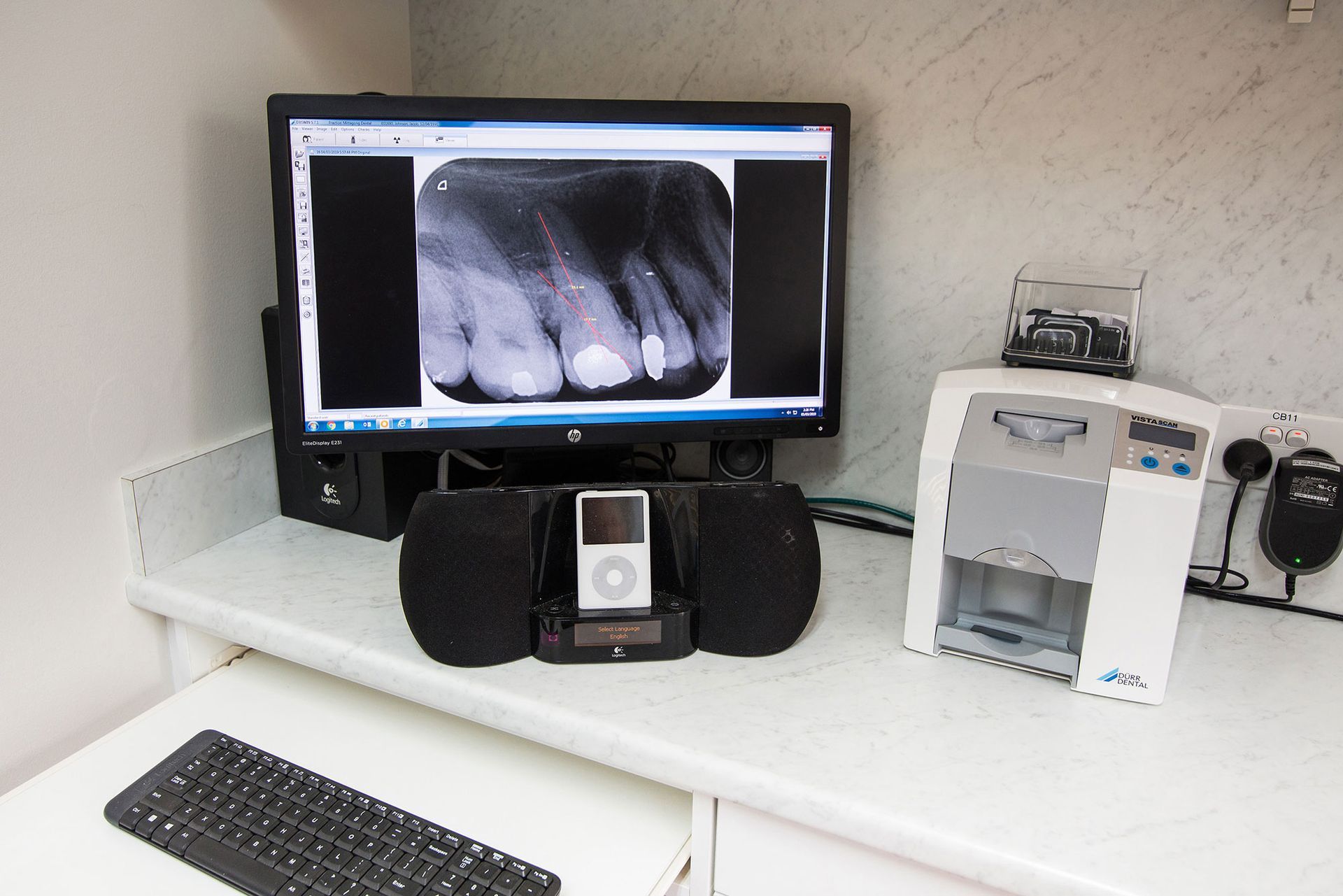
- Imaging and scans
- Bone assessment
- Discussion of treatment goals
This allows your dentist to recommend the most appropriate treatment options based on your individual circumstances.
Learn More About Dental Implants in Mittagong
Dental implants are designed to provide a durable and long-lasting solution for missing teeth, but their longevity depends on factors such as oral hygiene, gum health, lifestyle habits and ongoing professional care. While the implant itself may last for decades, maintaining both the implant and the attached restoration is essential for long-term success.
If you're considering dental implants in Mittagong, the team at Mittagong Dental Care can provide personalised advice about your suitability for treatment, expected outcomes and long-term maintenance requirements. To learn more, visit our dental implants page or arrange a consultation today.