Smile Makeovers In Mittagong: How Cosmetic Dentistry Transforms Confidence & Careers
A confident smile can change the rhythm of daily conversations. It shapes the way we introduce ourselves, how we contribute in meetings and the ease with which we navigate client interactions. For many people in client-facing roles (teachers, managers, small-business owners, real estate professionals), small improvements to teeth and gums can translate into noticeable changes in presence and poise. That’s where a cosmetic dentist in Mittagong enters the picture. Cosmetic dentistry in Mittagong focuses on aesthetics with a goal of harmonising teeth, gums and lips so your smile looks natural, balanced and entirely your own.
Below, we explore common cosmetic options, what they can address and how thoughtful treatment planning can support both personal confidence and career opportunities. This article is general in nature and not a substitute for personalised advice. A consultation is the right way to assess suitability, risks and alternatives for your circumstances.
Table of Contents:
- Why a Smile Makeover is About More Than Looks
- Concerns a Cosmetic Dentist May Assess
- Treatment Pathways That May Be Considered
- Planning that Respects Your Timetable & Budget
- Soft Skills that Often Grow with a Smile Refresh
- Questions to Reflect on Before You Start
- Everyday Habits that Help Keep Results Looking Their Best
- The Link Between a Polished Smile & Professional Visibility
- Ready to Explore Your Options?
Why a Smile Makeover is About More Than Looks
Cosmetic care isn’t only about having whiter or straighter teeth. People often describe three broader outcomes:
- Presence: When you’re less preoccupied with hiding your teeth, you tend to speak up more, maintain eye contact and engage more freely.
- Consistency: A tidy, well-maintained smile can reinforce habits you’re already building around health, punctuality and preparation.
- Perception: While appearance should never define ability, first impressions do form quickly. A composed, well-presented smile may help others focus on what you’re saying, not on what you’re worried they might notice.
None of this is guaranteed, and it won’t replace preparation or skill. Still, many people report that cosmetic improvements reduce a background layer of self-consciousness that can otherwise drain energy in busy workdays.
Concerns a Cosmetic Dentist May Assess
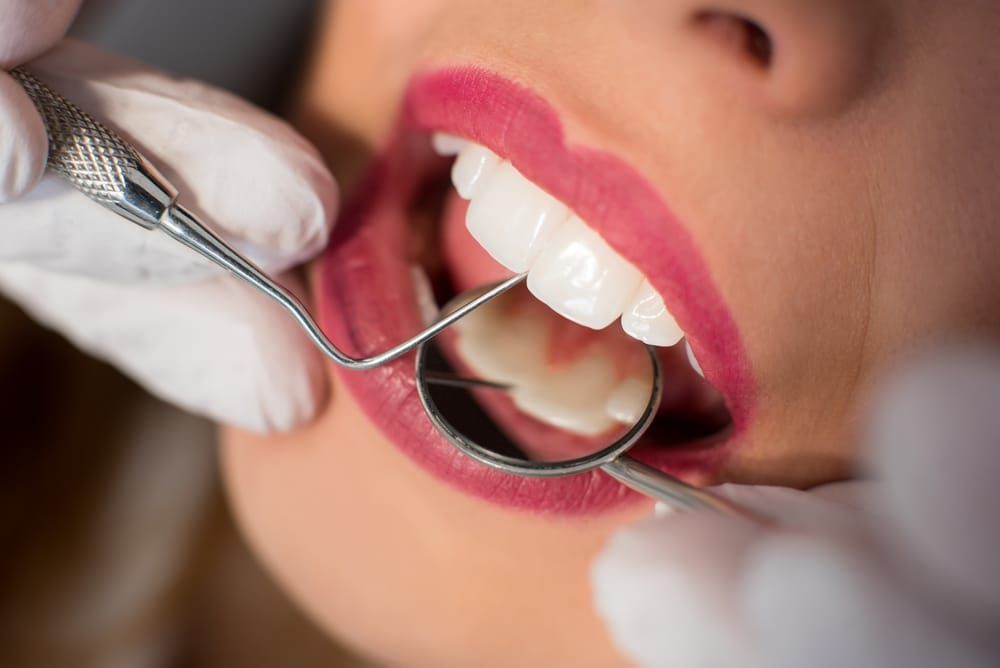
A smile makeover commonly starts with a thorough examination. The first priority is oral health: gums, teeth and bite. Cosmetic options are usually explored after any active disease or structural issues are stabilised. Typical appearance-related concerns include:
- Discolouration or uneven shading
- Chipped edges or worn teeth
- Gaps or minor crowding
- Small shape differences that disrupt smile symmetry
- Old restorations that no longer match surrounding teeth
- Gum line irregularities
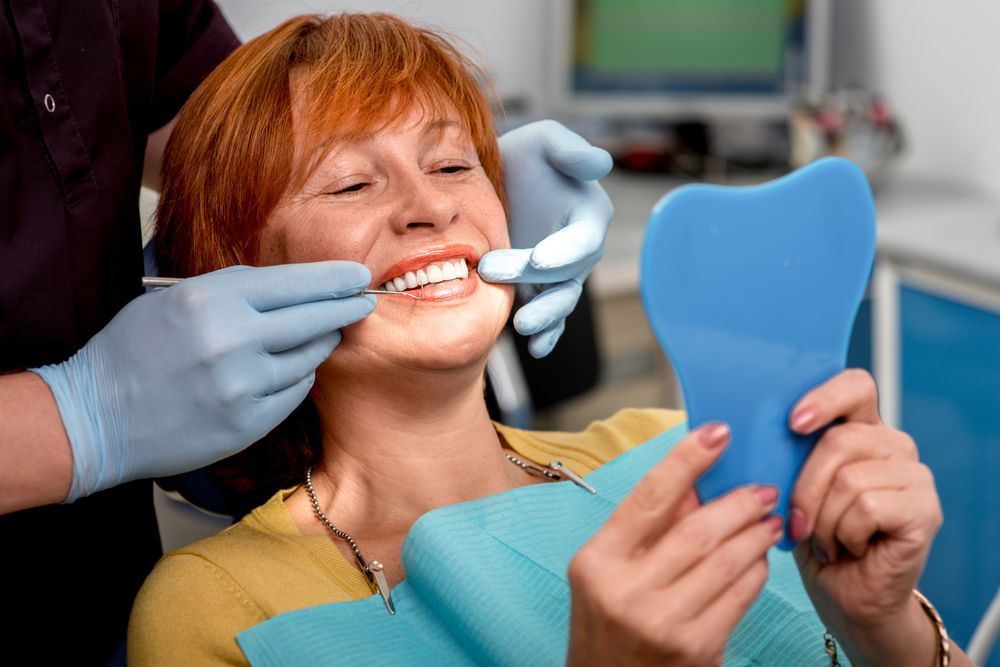
A collaborative discussion helps define what matters to you. Some people want subtle refinement, others prefer a more noticeable change. Good planning works to your preferences, lifestyle and budget.
Treatment Pathways That May Be Considered
Different approaches can be used alone or in combination. Your dentist will talk through benefits, limitations and maintenance for each option.
1. Whitening for a Fresher Base Shade
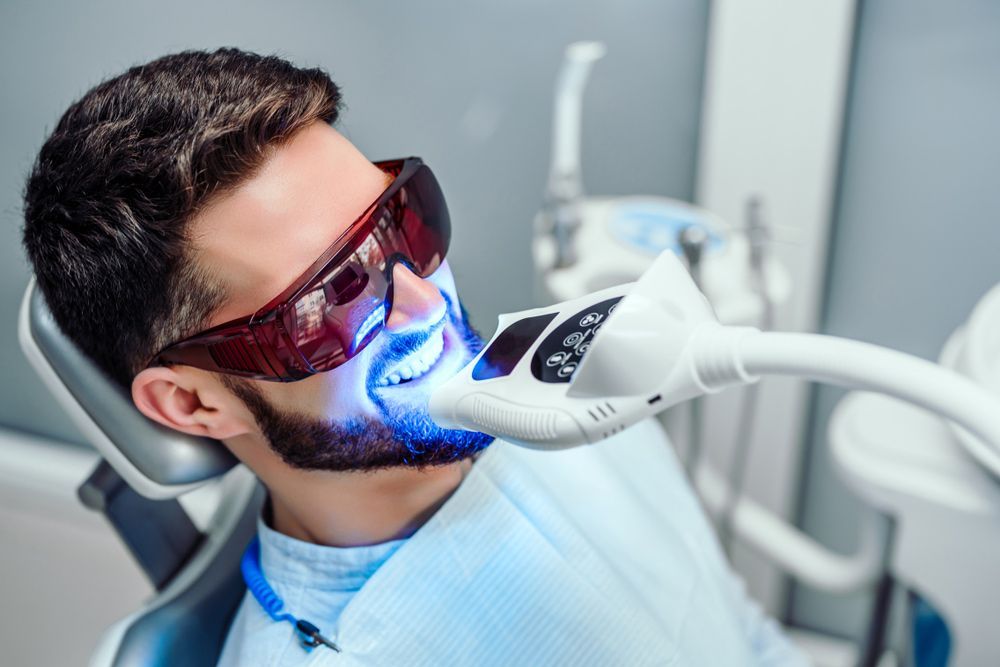
Professional whitening can lift staining from coffee, tea or red wine. In-chair applications and take-home trays are common. Suitability depends on your enamel, existing restorations and sensitivity history. Whitening does not change the colour of fillings or crowns, so sequencing with other work is important if a uniform result is your goal.
Where it can help at work: A slightly brighter shade can look more awake on video calls or under fluorescent lighting. Many people choose to whiten before photographs or corporate headshots.
2. Composite Bonding to Tidy Edges & Close Small Gaps
Composite resin can be shaped to repair chips, smooth worn corners or close small spaces. It’s a conservative approach because little to no tooth structure may need to be removed. Bonding can be reversible and repairable, though the material can wear over time and may need periodic polishing or replacement.
Where it can help at work: Neater edges often read as more uniform in quick interactions, which can support confidence when presenting or greeting clients.
3. Porcelain Veneers for Shape, Shade & Symmetry
Veneers are thin shells custom-made to the planned shape and colour. They can address discolouration that whitening won’t budge, mask minor misalignment and create a more even smile line. Veneers usually require some preparation of tooth surfaces and represent a longer-term commitment, so informed consent is essential.
Where it can help at work: For people constantly in photos or face-to-face with clients, a carefully designed veneer set can create consistency across lighting conditions.
4. Orthodontic Alignment with Clear Aligners or Braces
When tooth position is the primary issue, alignment may be the most suitable foundation step. Clear aligners can be a discreet way to nudge teeth into a more balanced arrangement. Treatment length varies and depends on complexity and compliance.
Where it can help at work: Correcting overlapping or rotated teeth can make cleaning easier and reduce food traps, which often improves day-to-day comfort and confidence during lunches or events.
5. Gum Contouring for Balance
If the gum line is uneven or a ‘gummy smile’ is your main concern, minor recontouring or other periodontal treatments may be discussed. Healthy gums frame teeth and influence proportion, so addressing gum levels can make a big difference to the overall result.
Where it can help at work: A balanced gum line can make teeth look more in proportion on camera, which may be relevant for roles with frequent video meetings.
6. Replacement of Old, Mismatched Restorations
Older fillings or crowns that stand out may be replaced to match neighbouring teeth more closely. Material choice, shade selection and translucency all matter here.
Where it can help at work: Consistency across restorations avoids distractions when speaking at close range.
Planning that Respects Your Timetable & Budget
A comprehensive plan can be staged to fit around work, family and financial considerations. Many smile makeovers are completed across several appointments. Sequencing matters:
- Stabilise oral health: Treat any decay, gum inflammation or functional concerns first.
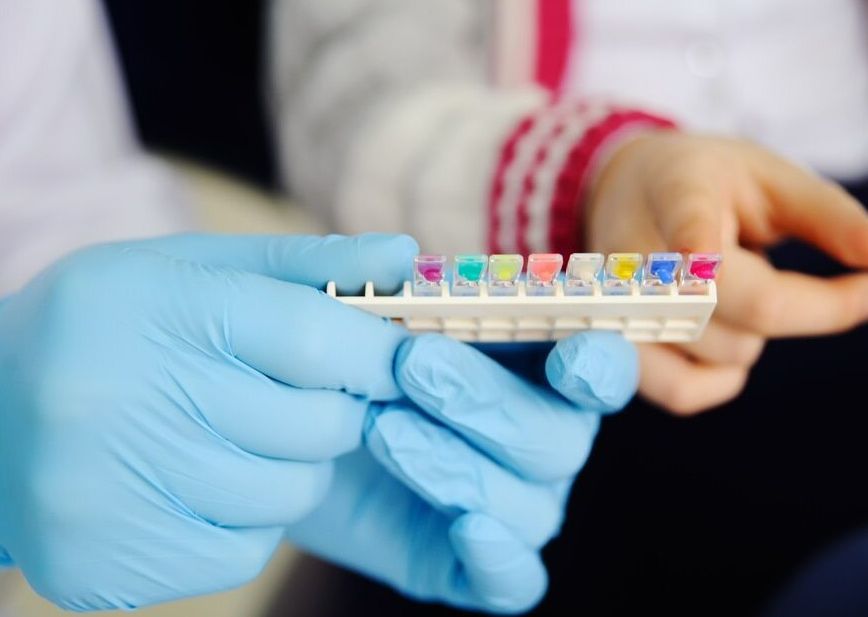
- Set the base shade: If whitening is part of your plan, complete this step before colour-matching new restorations.
- Trial the look: For some cases, a temporary mock-up lets you preview proportions and give feedback.
- Place definitive restorations: Once you’re happy with the design, veneers, bonding or crowns can be completed.
- Review & maintain: Follow-ups check bite comfort and provide polishing or minor adjustments as needed.
Soft Skills that Often Grow with a Smile Refresh
Cosmetic dentistry doesn’t replace preparation, practice or subject knowledge. Still, people often find that a calm sense of self-presentation can support:
- Clear introductions: You’re more likely to smile naturally when meeting new clients or stakeholders.
- Presentation delivery: Reduced worry about appearance frees attention for pacing and audience engagement.
- Networking stamina: When you feel composed, it’s easier to start conversations and remember names.
- Team leadership: A relaxed smile can make day-to-day interactions feel approachable and steady.
Again, these are personal observations, not guarantees. The goal is a smile that aligns with who you are and how you work, not a one-size-fits-all makeover.
Questions to Reflect on Before You Start
Bringing a short list to your consultation can make the conversation more productive:
- Which two or three features of my smile would I most like to change?
- Do I prefer minimal change or a more noticeable shift?
- What is my timeframe around upcoming events, photos or milestones?
- How much maintenance am I comfortable with over the next few years?
- Are there habits I could adjust to support results, such as grinding, snacking patterns or smoking?
Your dentist can then map options to your goals and explain considerations like enamel thickness, bite forces, gum health and shade stability.
Everyday Habits that Help Keep Results Looking Their Best
No treatment is set-and-forget. Simple routines contribute to longevity and appearance:
- Brush morning & night with a fluoride toothpaste, then clean between teeth
- Keep up with check-ups & hygiene visits as recommended
- Use a night guard if you clench or grind
- Rinse with water after coffee, tea or red wine
- Follow care instructions for whitening gels or retainers
- Book touch-ups or maintenance for bonding & aligners when advised
- Realistic expectations & informed choices
Every mouth is different. What suits one person may not suit another. A careful approach weighs up the natural features of your face, how your teeth meet, any sensitivity and your preferences around shade and shape. Photos, digital designs and trial restorations can help you visualise outcomes before committing. It’s reasonable to take time, ask questions and consider staged steps rather than doing everything at once.
The Link Between a Polished Smile & Professional Visibility
In workplaces that rely on clear communication, rapport and trust, small refinements can help you feel more present. You might notice it when greeting a room, speaking on camera or chatting across a counter. Over time, these moments add up. A smile you feel comfortable showing can support the way you present ideas, build relationships and represent your business or team.
Ready to Explore Your Options?
If you’re considering a tailored plan and would like to discuss cosmetic dentistry in Mittagong with a calm, informative approach, you can learn more on our Cosmetic Dentistry page. To book a consultation with Mittagong Dental Care, contact our team. We welcome patients from Mittagong, Bowral, Moss Vale and surrounding Southern Highlands.