How Much Do Porcelain Veneers Cost? A Guide From Your Cosmetic Dentist in Mittagong
Porcelain veneers typically cost between $700 and $2,000 per tooth in Australia, according to HBF. However, the final price depends on your dental needs, the number of veneers required and the preparation involved. At Mittagong Dental Care, we provide individualised treatment recommendations and cost information following a dental assessment. If you're considering veneers, understanding the initial expense, treatment process and long-term maintenance requirements can help you make an informed decision.
How Much Do Porcelain Veneers Cost in Australia?
According to Australian health insurer HBF, the estimated cost of porcelain veneers ranges from $700 to $2,000 per tooth. By comparison, composite resin veneers generally cost between $200 and $600 per tooth. These are Australia-wide estimates, not confirmed fees at Mittagong Dental Care. Your actual treatment cost will depend on an assessment of your teeth and the proposed treatment.
For example, four porcelain veneers could cost approximately $2,800 to $8,000 based on HBF's published range. This calculation is illustrative and should not be treated as a quote or an indication of what we charge. When researching porcelain veneers cost, it's also worth considering any additional dental treatment that may be necessary before the veneers can be placed.
What Affects the Price of Your Veneers?
Several factors influence how much you'll pay for porcelain veneers. The most important is the treatment required for your individual teeth.
Costing can fluctuate based on the following:
- Number of veneers: Treating several teeth will generally cost more than treating one
- Veneer size: Healthdirect identifies the size of veneers as another factor affecting their price
- Tooth condition: Decay, gum concerns or existing restorations may need attention before cosmetic treatment
- Customisation: Each porcelain veneer is manufactured to suit the shape, dimensions and appearance of the tooth
- Additional treatment: Any necessary dental work may increase the overall expense
The cost of veneers per tooth can therefore differ between patients, even when they're seeking a similar cosmetic change. Rather than relying on online price comparisons alone, we recommend obtaining a written treatment plan explaining what's included and whether additional expenses may apply.
Porcelain vs Composite Veneers: How the Cost Compares
Porcelain and composite veneers are both used to change the appearance of teeth, but their materials, treatment processes and costs differ.
Porcelain veneers are ceramic restorations custom-made in a dental laboratory. According to Healthdirect, they can look more realistic and last longer than resin veneers, although they generally cost more.
Composite veneers are made from tooth-coloured resin, often applied and shaped directly onto the teeth during one appointment. They typically have a lower initial cost but may require repairs or replacement over time.
While porcelain may offer advantages in appearance and longevity, neither option is suitable for everyone. We assess your oral health, cosmetic concerns and treatment preferences before discussing which materials may be appropriate. It's also important to consider the potential costs of maintaining or replacing either type of veneer in the future.
From Preparation to Bonding: The Two-Appointment Timeline
Porcelain veneers generally require two treatment appointments after the initial assessment, allowing time for laboratory fabrication. At Mittagong Dental Care, Dr Michael Burgess follows a process involving preparation, impressions and subsequent bonding.
First Appointment: Tooth Preparation and Impressions
Dr Burgess initially assesses your teeth to determine whether veneers are appropriate. If you choose to proceed, a small amount of enamel is removed from the tooth surface to create space for the restoration.
Impressions are then taken and sent to a dental laboratory, where your porcelain veneers are manufactured.
Second Appointment: Fitting and Bonding
At your subsequent appointment, the veneers are checked for fit and appearance before being bonded to your prepared teeth. The time between visits depends on the laboratory process and your individual treatment requirements. Additional appointments may be necessary in some circumstances.
Why Enamel Removal Matters Before You Commit
One of the most important considerations with porcelain veneers is that preparing your teeth generally involves permanently removing some natural enamel. Enamel cannot grow back once removed. Although veneers can be replaced, this does not restore the original tooth structure. Healthdirect explains that veneers cannot simply be taken off by the patient and identifies potential complications, including tooth sensitivity, cracking, detachment and visible veneer edges if gums recede.
Before proceeding, we encourage you to understand how much enamel may be removed, whether your teeth are suitable and what future replacement could involve. A thorough consultation should also cover the option of not proceeding with cosmetic treatment. Understanding these considerations is essential before making an irreversible decision.
How Long Porcelain Veneers Last and What That Means for Value
Porcelain veneers can last many years with proper care, but they are not permanent. Their lifespan depends on factors such as oral hygiene, biting habits, tooth condition and general wear. Healthdirect notes that veneers may eventually need replacing because of chips, fractures or changes in colour. We recommend maintaining good oral hygiene, attending regular dental examinations and avoiding habits that could damage the restorations, such as biting hard objects.
When comparing costs, remember that the initial fee isn't necessarily the total lifetime expense. Repairs, maintenance and eventual replacement may create additional costs. A lower upfront price doesn't automatically mean better long-term value, so it's worth discussing the advantages, limitations and expected maintenance of each option.
Will Health Insurance Help With the Cost?
Private health insurance may contribute towards veneer treatment, depending on your policy and level of cover. HBF advises that extras cover including major dental benefits may help pay for veneers. However, this doesn't mean every policy covers cosmetic dental treatment.
Before committing, we recommend checking with your insurer about:
- Whether your policy includes the proposed treatment
- Applicable waiting periods and annual benefit limits
- Relevant dental item numbers
- Your expected out-of-pocket expenses
Medicare generally doesn't cover cosmetic dental treatment, so it's important to confirm your available benefits rather than assuming a rebate will apply.
When a Crown May Suit You Better
Veneers primarily cover the visible front surface of a tooth. If a tooth has significant damage, extensive decay or a large existing restoration, another treatment may be more appropriate. In certain circumstances, dental crowns may be considered. A crown covers more of the natural tooth and can help restore its structure and function.
However, crowns also involve tooth preparation and carry their own potential risks and ongoing maintenance requirements. We assess the amount of healthy tooth structure remaining before discussing whether a veneer, crown or another option may be suitable.
Questions to Ask at Your Veneers Consultation
A veneer consultation gives you an opportunity to understand the proposed treatment, costs and risks before making a decision.
Useful questions include:
- Am I a suitable candidate for porcelain veneers?
- How many veneers would you recommend and why?
- How much natural enamel would need to be removed?
- What is included in my treatment quote?
- What complications should I consider?
- What happens if a veneer chips or needs replacing?
- Are there less invasive options available?
You may also find our guide to choosing the right cosmetic dentist helpful before your appointment. We encourage you to ask questions and take the time you need to consider your options.
Planning Your Porcelain Veneers in Mittagong
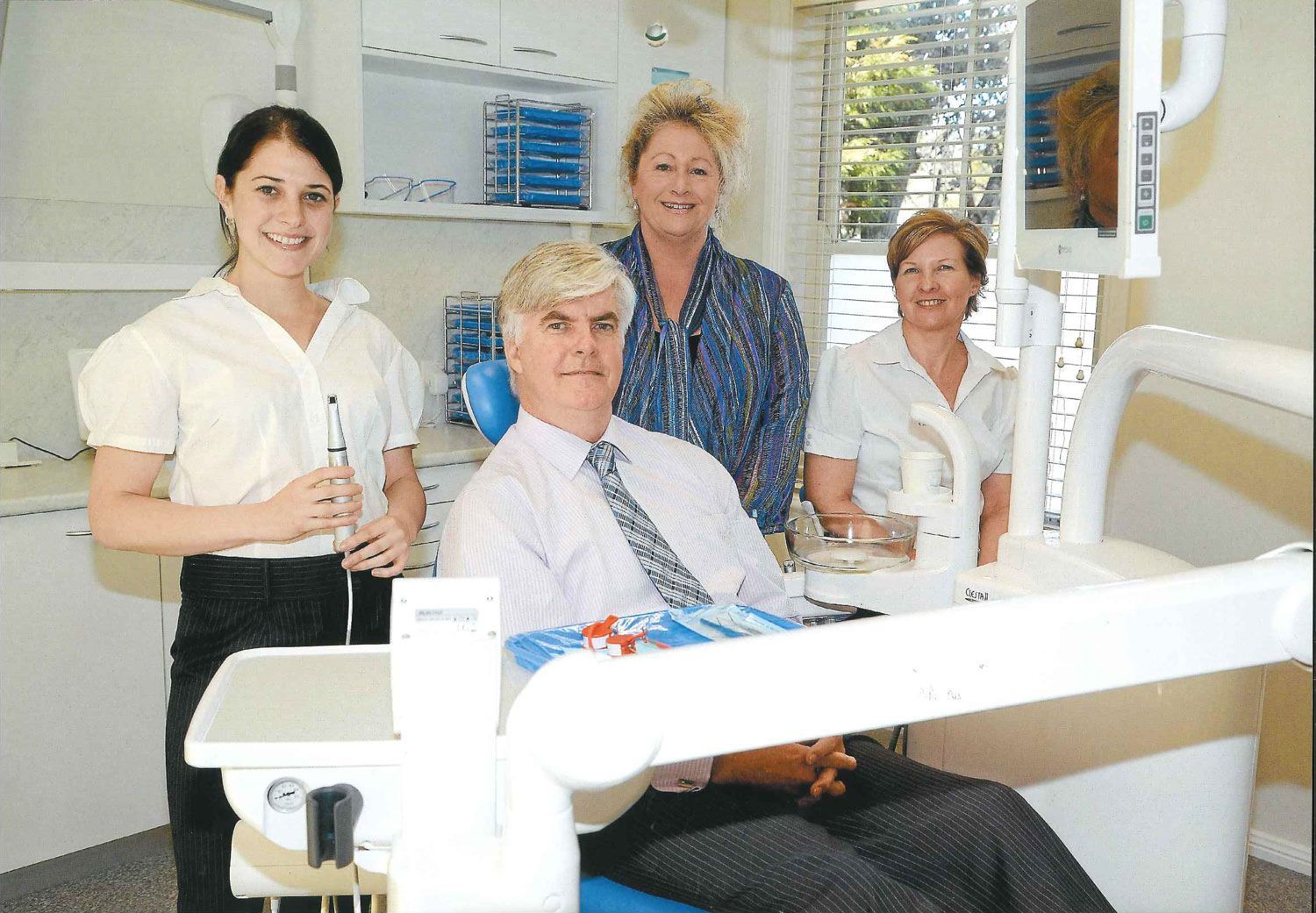
Choosing veneers involves more than deciding on a preferred appearance. Understanding the financial commitment, possible complications and future maintenance requirements is equally important. If you're researching porcelain veneers in Mittagong, our team can explain the treatment process and assess whether veneers may suit your individual circumstances. Mittagong Dental Care has been family owned and operated since 1993. Dr Michael Burgess holds a Bachelor of Dental Surgery from the University of Sydney, and our practice lists membership of the Australian Dental Association.
The key takeaway: Porcelain veneers are a long-term dental commitment, with costs extending beyond the initial treatment. An individual assessment and written quote are important before deciding whether to proceed. For personalised advice, speak with a cosmetic dentist in Mittagong at Mittagong Dental Care. You can book a consultation to discuss your concerns, understand the potential risks and receive a treatment estimate based on your needs.
Frequently Asked Questions